GNSS-Denied Navigation
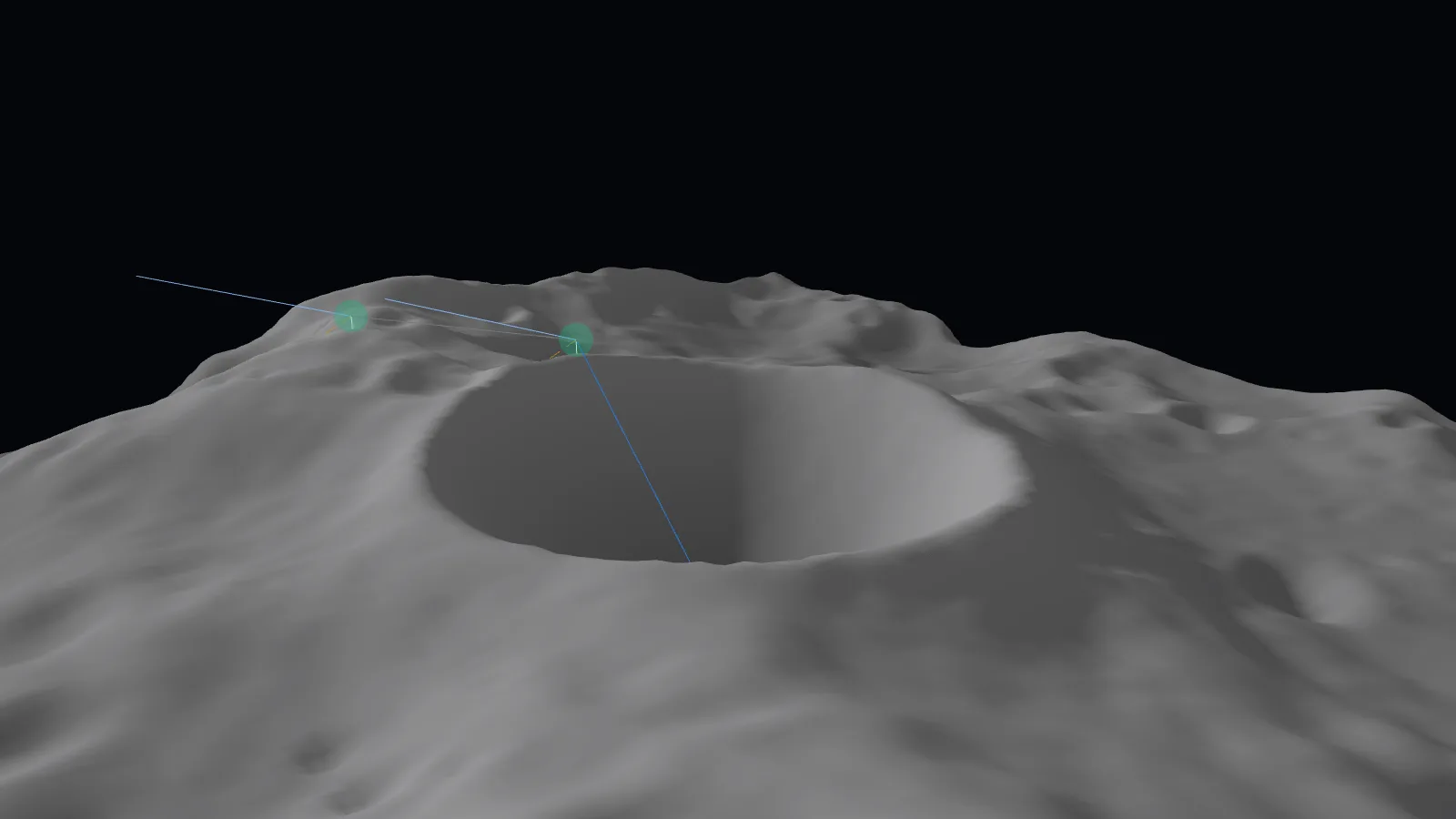
Keep vehicles and crews located when satellite navigation is denied, as it is on the Moon.
About
Peregrine Applied Sciences is an applied research lab in El Paso, Texas. We build sensor fusion software for defense, public safety and space, and we run the company as a lab organized around one shared engine.
Why we exist
Coordination Outweighs Sensor Count
Modern operations depend on sensors, from radar and Remote ID receivers to uncrewed aircraft and, on the Moon, landers and rovers. Units and agencies now field more of them than they can employ as one system.
That equipment comes from many vendors and answers to different owners. Links drop and clocks drift. Each new problem tends to become its own program, built from first principles.
Beneath the surface these are variations of one problem: fusing imperfect, asynchronous sources into a picture operators can trust. Solved rigorously once, it makes every later mission faster to field.
Why sensor fusion
Every autonomous system perceives the world through sensors, and physics limits each one. Cameras degrade in fog and darkness. Radar lacks fine angular resolution. Beyond Earth orbit, GNSS is effectively unavailable.
Reliable perception therefore depends on fusion, and will for as long as machines operate in the physical world. The scale is what grows, from a single platform to fleets and outposts across the Earth and the Moon.
Today
Fusion lets a system tolerate a degraded sensor and keep navigating when GNSS and communications are jammed. More and more of it runs on low-power hardware beside the sensors themselves.
The next century
Fusion will span swarms and orbital constellations in real time. Lunar and Martian assets will navigate from optical and peer-to-peer measurements, and quantum clocks will join conventional sensors.
Operators and regulators will expect uncertainty bounds they can verify.
Every camera, radar, radio and clock contributes to one shared picture, whatever its manufacturer.
Our software works with the sensors and command systems customers already field.
Every node keeps operating through outages.
We publish what is tested and stage hardware investment behind demonstrated results.
Our markets share one core challenge, so one engine serves all of them.
The mathematics of estimation is decades old. The difficulty now lies in systems engineering on real equipment.
Ingests asynchronous data from third-party sensors in their native formats, so customers stay vendor-independent.
Maintains a trustworthy picture under spoofing and jamming, and quantifies how far it can be trusted.
Runs within the size, weight, power and cost limits of flight hardware.
We drew on the institutions that reshaped defense technology and built the result to run at startup speed.
Program offices, primes and operators bring us problems their current systems leave open.
Each accepted problem becomes a fixed-price effort of roughly 90 days with exit criteria agreed up front.
Every sortie runs on the same fusion engine and adds to it.
Problems that recur across customers become supported programs.
Each program applies the same core to a distinct mission.
Problems under active investigation. If your mission faces one of them, we want to hear from you.
Keep vehicles and crews located when satellite navigation is denied, as it is on the Moon.
Correlate detections from many vendors' sensors into one track per object, with provenance preserved.
Hold disconnected assets to a common time reference and catch a degraded clock before it corrupts the picture.
Founders
A short technical loop from requirements and simulation through RF, electrical, mechanical, software, integration, test and technical documentation.
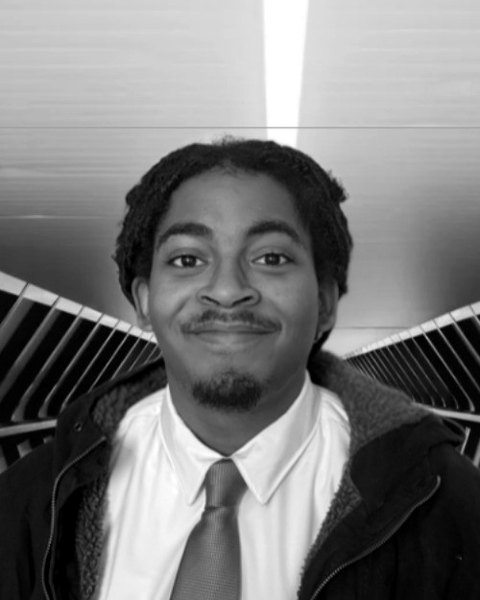
A former U.S. Air Force F-16 avionics technician and systems engineer, and Peregrine's originating founder. Austin leads company strategy, systems architecture, FOVEA and LOOKOUT software, integration and customer development. He has worked as a Department of Defense tactical data link subject-matter expert, and created InjectLab (arXiv:2505.18156), an open-source framework for testing the security of large language models, presented at DEF CON 2025.
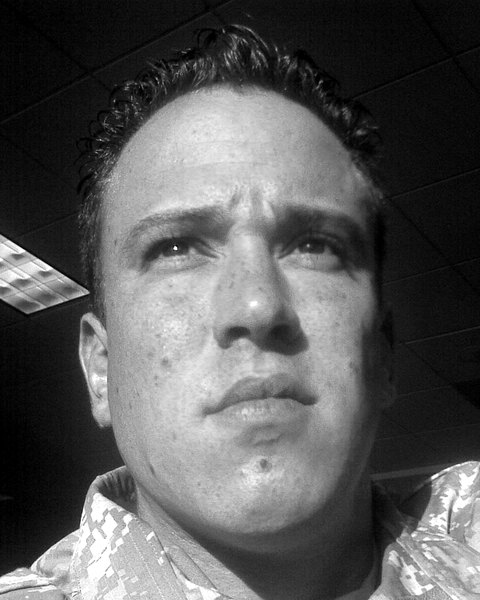
Nearly three decades of military and defense-industry RF experience: 13 years in the U.S. Army followed by about 17 years in defense contracting, across tactical RF, retransmission, field communications, depot-level sustainment, integration and troubleshooting of Army communications systems. Raul leads Peregrine's RF architecture, radar and RF integration, test and sustainment-informed engineering.
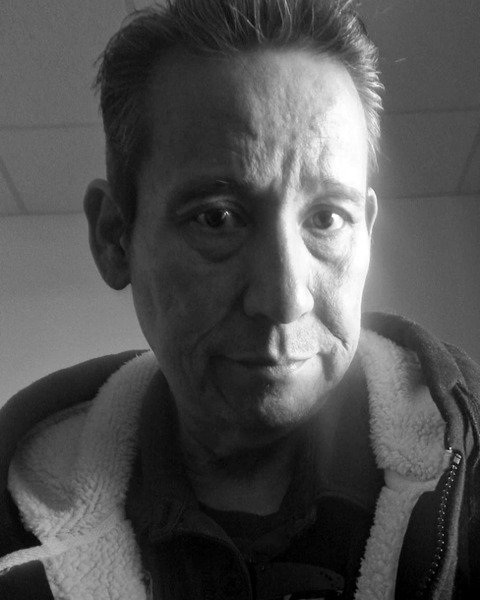
About 30 years of CAD modeling, drafting, detailed drawings and technical data packages, spanning mechanical packaging, producibility and configuration-controlled documentation, and the practical step from concept to buildable hardware. Jose leads Peregrine's mechanical design, technical data, packaging and producibility.
Team

Irene leads Peregrine's operations, administration, corporate records and culture, and runs the company's operating rhythm and compliance records program. She brings years of experience in elder care at an assisted-living home and in running a household, work that demands organization, steady judgment and care for people.

A former U.S. Army 25Q multichannel transmission systems operator-maintainer, Emmanuel brings hands-on experience standing up and maintaining tactical communications links in the field. He leads Peregrine's communications and field integration work, working with the RF team to get sensors and links installed, connected and running at customer sites.
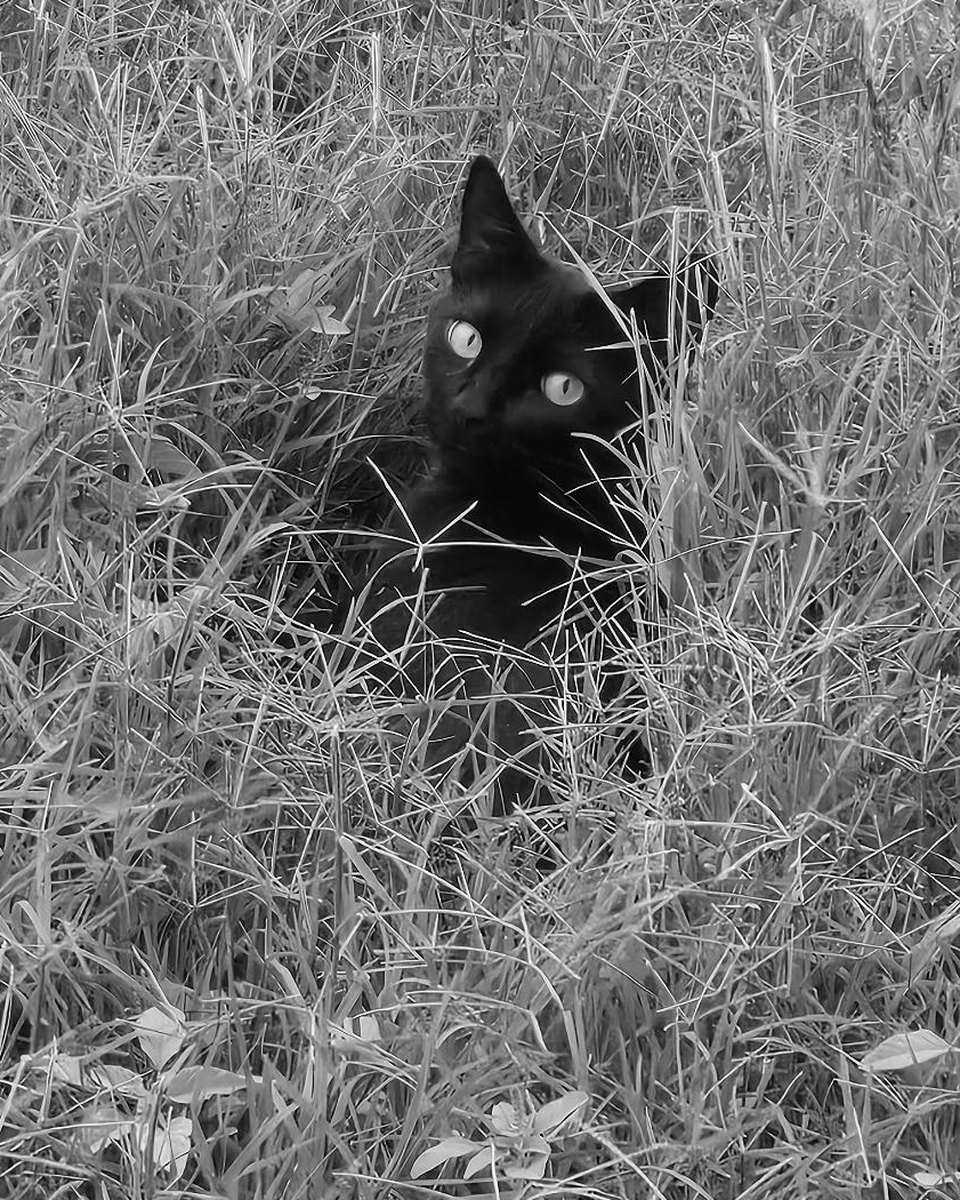
Jiji keeps watch over headquarters from the tall grass, the team's original passive sensor: no emissions, low light, wide field of view. Sets morale for the crew and reviews every late-night build from the nearest warm laptop.
Incorporated in September 2026 and headquartered in El Paso, near Fort Bliss and White Sands Missile Range.
Describe the capability gap you face. We will tell you candidly whether it fits the lab and what a sortie would deliver.